The Architecture of Impact: Nile, Better Auth, and Neubrutalism
The Architecture of Impact
When we set out to build Proximatic, we knew it couldn't just be another "volunteer management software." It needed to be a high-fidelity logistics machine—robust enough for disaster response, yet simple enough for a local beach cleanup.
To achieve this, we made three critical bets: Nile for our data, Better Auth for our identity, and a Neubrutalist design language to ground it all.
1. The Data Foundation: Nile & Serverless Postgres
Traditional multi-tenant systems often struggle with performance or complexity as they scale. We chose Nile because it treats multi-tenancy as a first-class citizen.
By using Nile's tenant virtualization, we've achieved:
- Strict Data Isolation: Your organization's data is logically separated at the database level.
- Scale-to-Zero Efficiency: Since Proximatic is built on a serverless architecture via Vercel and Nile, we don't pay for idle resources. This allows us to keep the platform affordable for groups that only run events once a quarter.
2. Identity & security: Better Auth
Identity is the "front door" of trust. We integrated Better Auth to handle our authentication flow.
Why Better Auth?
- Handshake Verification: Our geofenced check-in system relies on a trusted identity. Better Auth provides a clean, developer-friendly API that integrates perfectly with our Next.js edge functions.
- Privacy-First: We don't track you across the web. Better Auth allows us to manage sessions securely without invasive tracking.
3. The Aesthetic: Immortal Playful Power
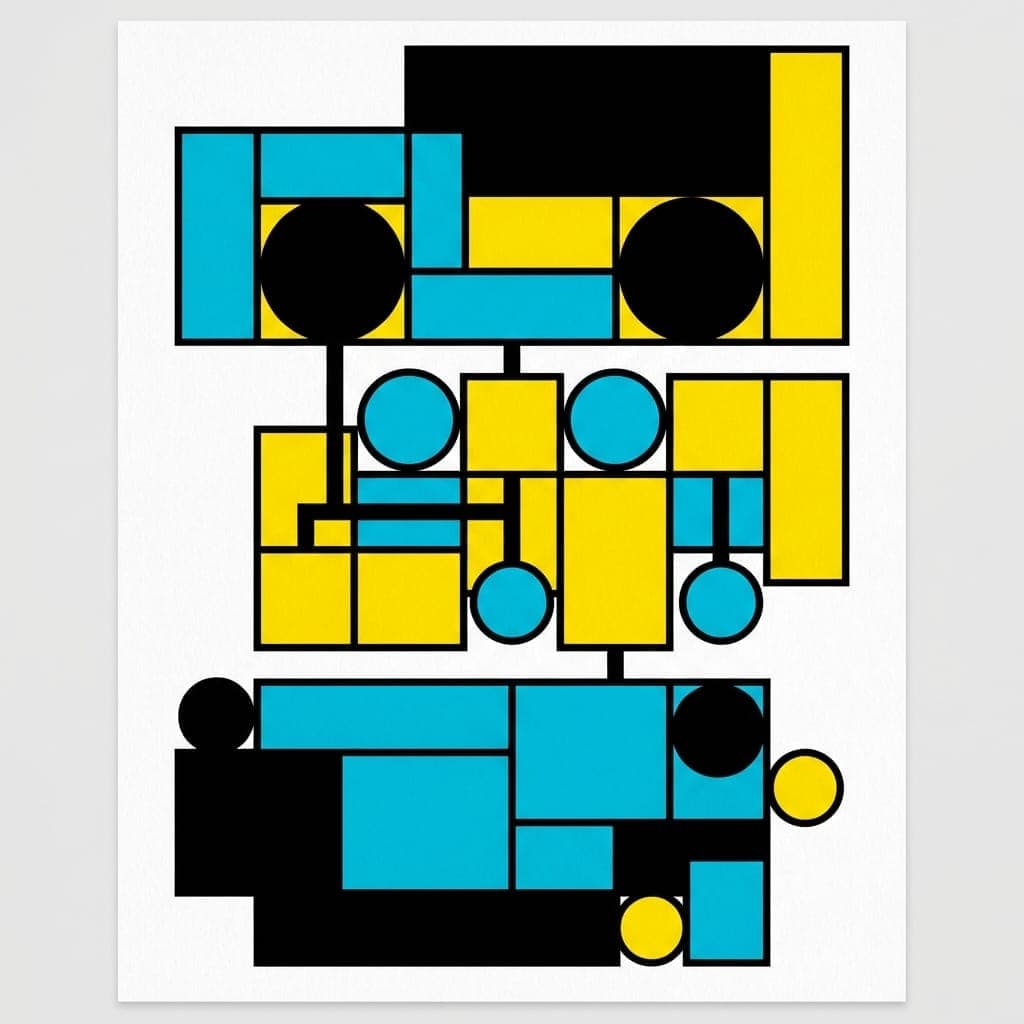
Most modern SaaS is sterile—a sea of soft grays, safe shadows, and rounded corners that feel airless. We chose a different path. Our design language, Slab, is a hybrid of Paul Rand’s mathematical discipline and the unapologetic honesty of Neubrutalism.
We wanted something that feels bright, bold, and immortal. By using 5px solid black borders and vibrant, high-saturation slabs, we've built an interface that doesn't just look different—it feels different. It’s an aesthetic that resists the trend cycle by grounding itself in the fundamentals of graphic design.
It’s easy to use because it’s high-fidelity; it’s playful because it treats the "work" with the dignity of a mission. This is SaaS that has a heartbeat.
Design is the silent ambassador of your brand." - Paul Rand
Building for the "Dead Zones"
Ultimately, these technical choices serve one goal: Reliability. By building on an Offline-First architecture using industry-standard service workers and local persistence (IndexedDB), we ensure that the system works even when the cell towers don't.
We're building Proximatic for the teams that do the work. The ones in the mud, on the beaches, and in the community centers. They deserve a system that is as dedicated as they are.
Want to dive deeper into the code? Check out our Public Roadmap or message the team via our Contact Form.